


The global shipping industry continues to evolve rapidly as demand for reliable logistics grows alongside technological innovation and sustainability pressures. By 2026, shifts in energy use, automation, customer expectations and supply chain resilience will reshape how goods move across oceans and continents. This article highlights major trends and forecasts that business leaders, logistics professionals and policymakers should watch to stay competitive in a rapidly changing market.
1. Sustainability And Green Shipping

Environmental concerns and stricter international regulations are driving the shipping industry toward cleaner energy. Traditional heavy fuel oil is increasingly replaced by alternatives such as liquefied natural gas (LNG), biofuels, hydrogen and battery electric systems on shorter routes. By 2026, many operators are expected to adopt hybrid propulsion systems and invest in low carbon technologies to meet emissions targets and reduce operating costs.
2. Digital Transformation And Data Integration
Shipping companies are accelerating digital adoption to improve efficiency, visibility and decision making. Integrated digital platforms that connect ships, ports, carriers and customers provide real-time data on vessel location, cargo status and predictive analytics for delays or weather disruptions. These systems help reduce paperwork, improve scheduling and support faster customs clearance.
3. Automation In Ports And Vessels
Automation is reshaping port operations and vessel handling. Automated cranes, guided vehicles and robotics streamline container loading and unloading, reducing turnaround times. Semi autonomous navigation systems on vessels assist crews and improve safety by optimizing routes based on weather and traffic conditions. By 2026, automation will be core to competitiveness in major global ports.
4. Blockchain And Paperless Documentation
The adoption of blockchain technology is transforming how shipping documents such as bills of lading and customs forms are handled. Blockchain creates secure and tamper proof records that can be accessed by all authorized parties, reducing fraud risk and paperwork delays. Paperless documentation speeds up border crossing and improves transparency between shippers, carriers and regulators.
5. Resilience And Diversified Supply Chains
Recent disruptions like pandemics and geopolitical tensions exposed vulnerabilities in lean supply chains. As a result, companies are diversifying shipping routes, suppliers and inventory locations to reduce risk from single points of failure. Shippers are including secondary ports and alternative carriers in planning to absorb future disruptions with minimal impact on delivery performance.
6. Artificial Intelligence And Predictive Logistics
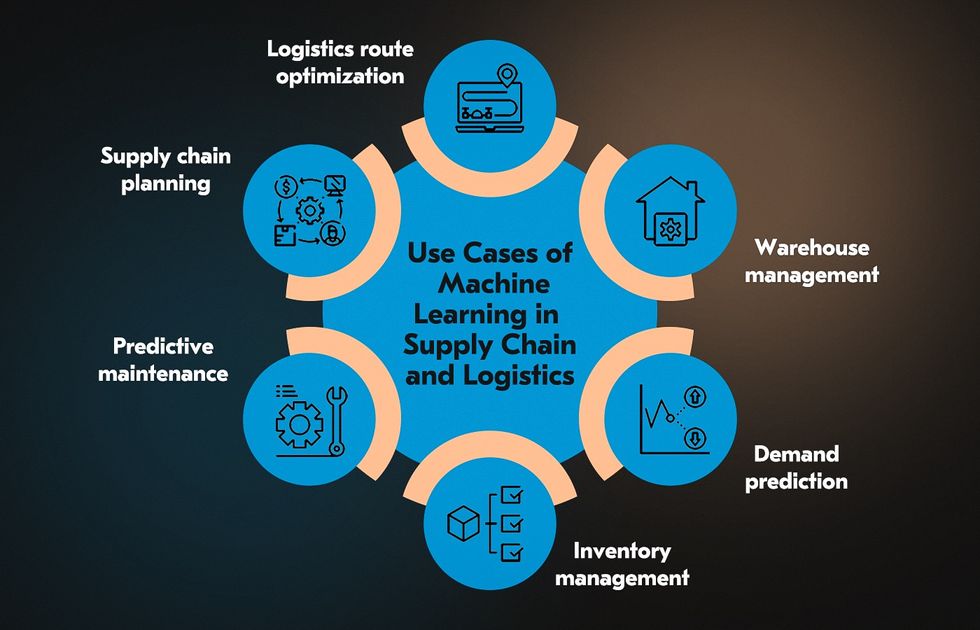
Artificial intelligence (AI) is increasingly used for predictive logistics. By analyzing historical performance, weather conditions and traffic patterns, AI systems forecast delays and recommend alternative actions. These insights help planners make data driven decisions, optimize inventory and reduce costs associated with unexpected disruptions.
7. E Commerce Growth And Last Mile Innovations
The explosion of online shopping continues to influence the shipping industry. Increased demand for faster delivery has pushed carriers to innovate in last mile logistics. Microfulfillment centers near urban areas, drone delivery pilots and ground robots are being tested or deployed to improve delivery speed and reduce congestion. These innovations aim to meet customer expectations for same day or next day delivery.
8. Talent And Skills Development
As technology transforms operations, demand for skilled workers grows. The industry is investing in training programs that equip staff with digital, analytical and technical capabilities. Careers in data science, automation maintenance and digital operations are becoming more common in maritime logistics, helping companies adapt to new tools and systems.
9. Regulatory Changes And Compliance Tools
Global shipping is governed by a complex web of rules related to emissions, safety and trade. Keeping up with evolving regulations requires sophisticated compliance tools. Automated systems that monitor and report regulatory changes help companies stay ahead of penalties and adjust operations quickly. In 2026, regulatory tech will be essential for global compliance across jurisdictions.
10. Collaboration And Shared Networks
Collaboration between carriers, ports and logistics providers is gaining traction. Shared capacity platforms help companies reduce empty runs, improve vessel loading efficiency and coordinate schedules. Collaborative networks also foster data sharing, which improves planning and reduces inefficiencies across the supply chain.
11. Customer Transparency And Tracking
Customers expect continuous visibility into their shipments. Advanced tracking technologies now offer live updates on cargo location, estimated arrival times and status changes through apps and messaging tools. Enhanced transparency improves customer trust and satisfaction, and gives companies a competitive edge.
12. Financing And Investment Trends
Investors are focusing on sustainable and tech enabled shipping ventures. Green bonds and climate linked financing support investments in low emission vessels and port infrastructure. Shipping companies that integrate environmental, social and governance (ESG) practices are attracting capital and improving their long term growth prospects.
13. Emerging Markets And Trade Route Shifts
Shifts in global trade patterns are reshaping shipping demand. Growing economies in Africa, Southeast Asia and Latin America are creating new trade corridors. Shipping lines are adjusting routes and capacity to serve emerging markets, while strategic investments in regional ports support increased cargo volumes and economic development.
Conclusion
The global shipping industry is at a transformative moment as technology, sustainability goals and customer expectations drive change. In 2026 and beyond, companies that adopt digital tools, diversify supply chain strategies and invest in green technologies will be better positioned to navigate disruption and capture growth. Whether you are a shipper, carrier or logistics provider, understanding these trends can help you plan for a future shaped by innovation and resilience.
If you want tailored strategies for applying these forecasts to your business, just ask and I can provide a customized plan.